Back to School Eye Exam: What Parents Should Know
The school supplies are packed, the uniforms are ready, and the routine is about to change again. Before the first bell rings, a back to school eye exam is one of the smartest appointments a parent can make because children do not always know when they are struggling to see.
A child can pass a school vision screening and still have a problem that affects reading, attention, comfort, or confidence in class. Squinting at the board, holding books too close, skipping lines while reading, frequent headaches, and avoiding schoolwork can all point to vision issues that deserve a closer look. When a child starts the year seeing clearly and comfortably, learning tends to feel less frustrating.
Why a back to school eye exam matters
School places heavy demands on a child’s eyes. They switch between distance vision for the board, near vision for books, and screen vision for tablets or laptops. That constant refocusing can expose issues that may not be obvious at home, especially if a child has adapted to blurry or strained vision without realizing it.
Many parents are surprised to learn how much vision affects behavior. A child who seems distracted may actually be trying to manage eye strain. A student who avoids reading may not be uninterested at all – reading may simply feel tiring. Even mild focusing problems can make classroom tasks harder than they need to be.
A comprehensive exam does more than check whether your child needs glasses. It also looks at how the eyes work together, how well they focus, and whether there are early signs of eye health concerns. That broader view matters, especially during the school years when visual demands increase quickly.
School screenings are helpful, but limited
School screenings serve a purpose, but they are not the same as a full eye exam. In most cases, a screening checks only a narrow part of vision, often distance clarity. That means a child could still have trouble with focusing, eye teaming, depth perception, or eye health and not be flagged by the school.
This is one reason some children continue to struggle even after a screening says everything looks fine. Screenings are designed to identify some problems, not rule out all of them. If your child is having symptoms, teacher concerns, or school performance changes, a full exam is the better next step.
That does not mean every classroom issue is caused by vision. Sometimes the concern is educational, developmental, or simply part of adjusting to a new grade. But ruling out vision problems early can save time, stress, and guesswork.
Signs your child may need an eye exam before school starts
Some children clearly say they cannot see the board. Others never mention it because they assume everyone sees the same way they do. Parents often notice the clues first.
Watch for squinting, sitting very close to screens, rubbing the eyes often, complaints of headaches, covering one eye, losing their place while reading, or short attention during homework. You may also notice light sensitivity, watery eyes, or a child who seems clumsy during sports and play.
Not every sign means your child needs glasses. Dry eyes, focusing issues, eye alignment concerns, or even fatigue can contribute too. That is why a professional exam is so useful – it helps pinpoint the real cause instead of relying on guesswork.
What happens during a back to school eye exam
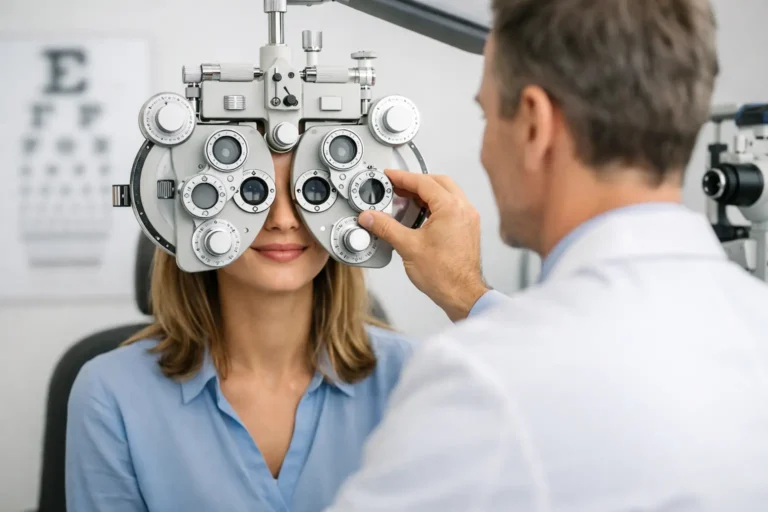
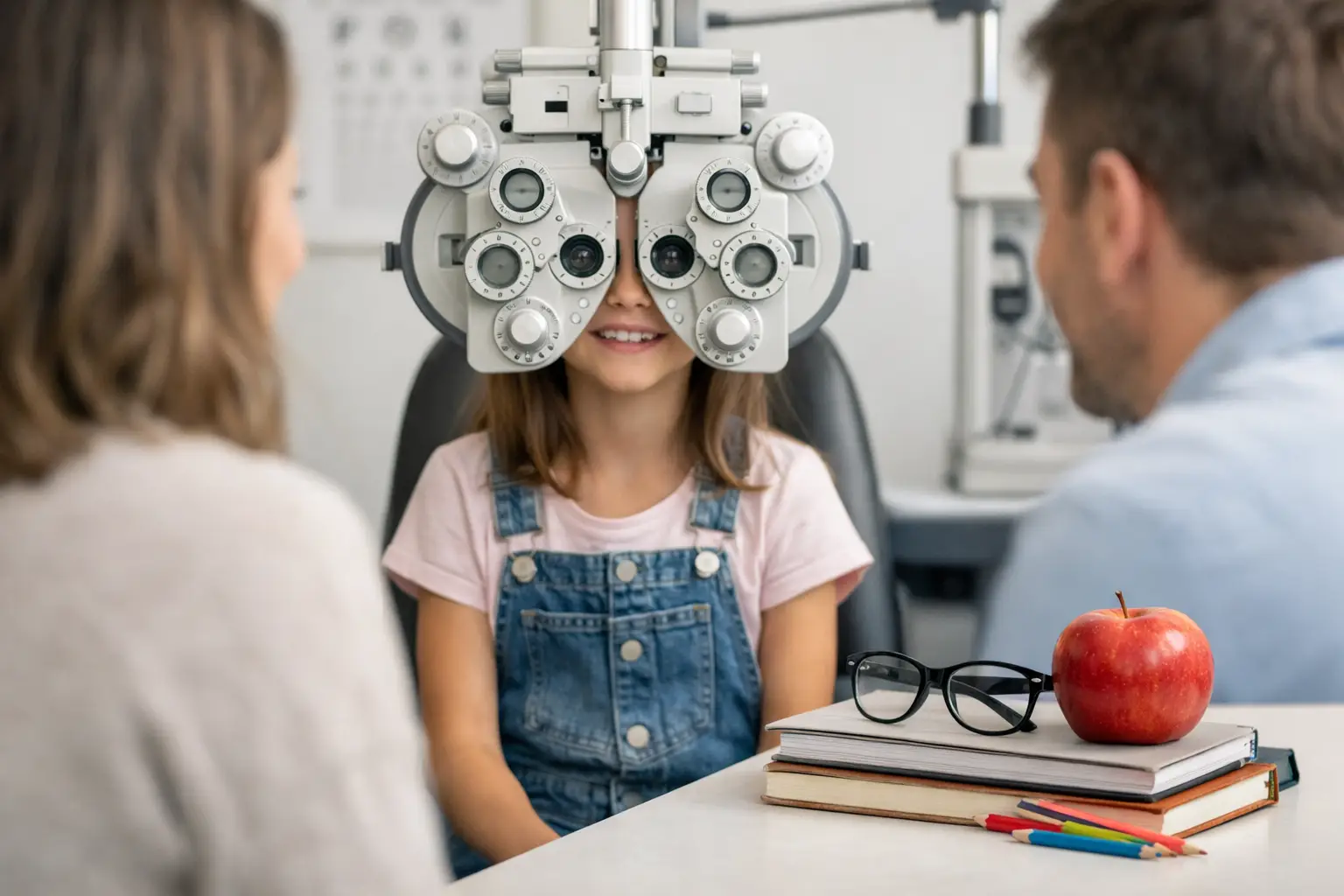
For many parents, the biggest question is simple: what will the visit involve? A children’s eye exam is usually straightforward, child-friendly, and tailored to age and ability.
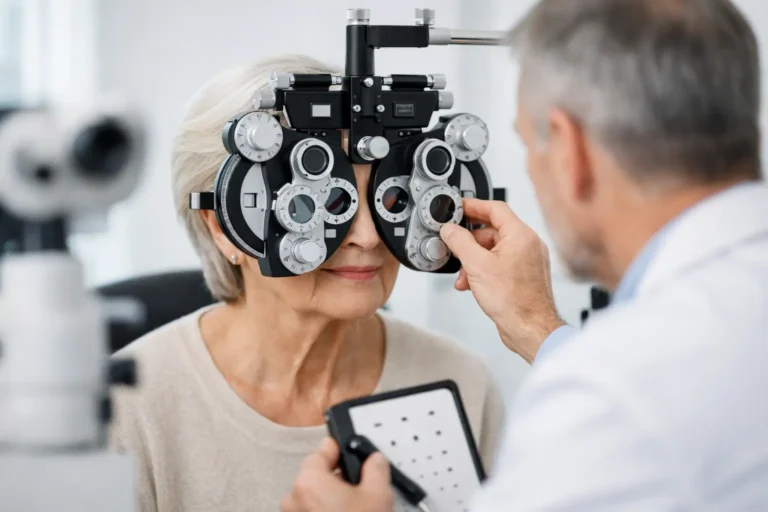
The appointment typically includes a review of symptoms, school-related concerns, and any family history of eye conditions. From there, the doctor evaluates visual clarity, eye alignment, focusing ability, tracking, depth perception, and overall eye health. If glasses are needed, the prescription is determined carefully based on what will support the child’s daily tasks.
For younger children, the process is adjusted so they can participate comfortably. For older students, especially those with increasing screen time or academic demands, the exam may also help explain symptoms such as eye strain, blurred near vision, or headaches after school.
A thorough exam is not about rushing to prescribe eyewear. Sometimes the result is a new pair of glasses. Sometimes it is a confirmation that vision is healthy. Sometimes it reveals a medical issue that needs follow-up. The value is in having clear answers.
Glasses, contact lenses, and what makes sense for school
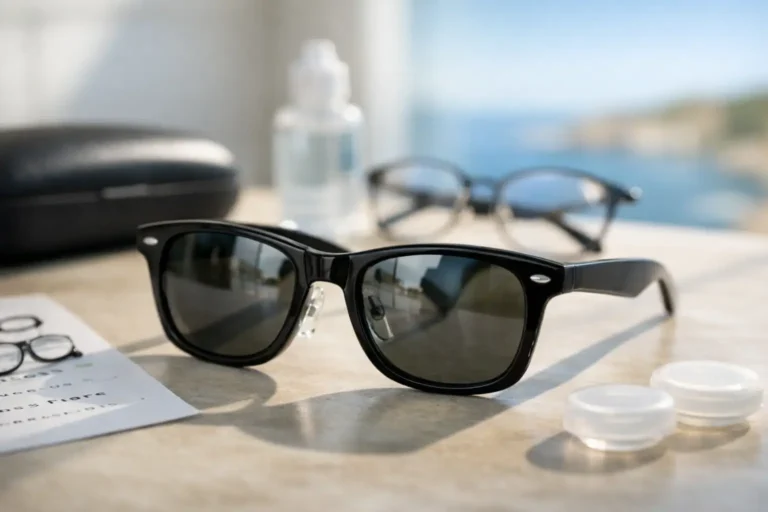
If your child does need vision correction, the right choice depends on age, maturity, lifestyle, and comfort. For many children, glasses are the best starting point. They are simple, reliable, and easy for teachers and parents to monitor.
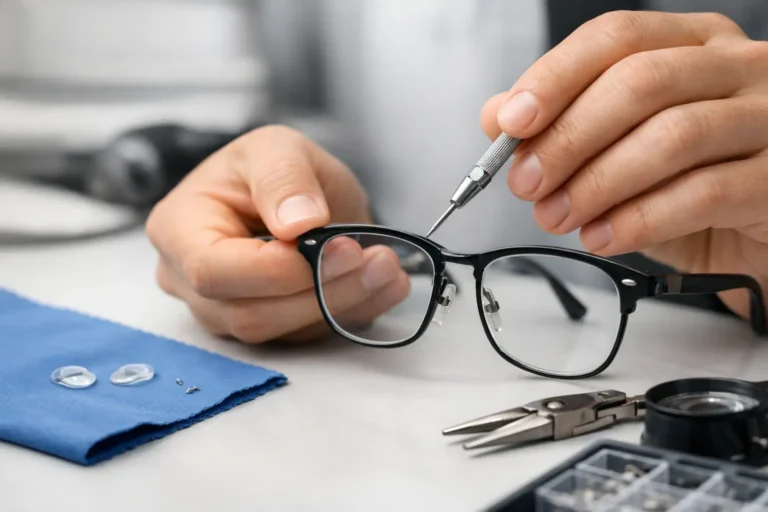
Frame fit matters more than many people realize. Glasses that slide down, pinch, or feel heavy are less likely to be worn consistently. Lenses should also suit the child’s routine. A student who is active in sports may benefit from durable materials and a secure fit, while a child who uses screens often may need lenses chosen with comfort in mind.
For some older children and teens, contact lenses can be a good option, especially for athletics or self-confidence. The trade-off is responsibility. Contacts require hygiene, follow-up care, and consistent habits. They can work very well, but only when the child is ready.
This is where personalized attention makes a difference. The best recommendation is not the most fashionable one or the least expensive one on the shelf. It is the one your child will actually wear comfortably every day.
Timing matters more than most families expect
It is easy to leave eye care for the last week before school starts, but that can create unnecessary pressure. If your child needs glasses, you want enough time for the exam, frame selection, fitting, and any adjustments before classes begin.
An earlier appointment also gives your child time to adapt. New glasses can feel unusual for the first few days, even when the prescription is exactly right. Starting that adjustment period before school begins can make the first week much easier.
If your child already wears glasses, back-to-school season is still a good time for a check-in. Prescriptions can change, frames can become too small, and lenses often pick up scratches that reduce clarity. A quick update now may prevent classroom frustration later.
Eye health is part of school readiness
Parents often think of physicals, vaccines, lunch prep, and supplies when they think about school readiness. Vision deserves a place on that list. Seeing clearly affects reading fluency, classroom confidence, note-taking, sports participation, and even how tired a child feels at the end of the day.
There is also the bigger picture of eye health. Comprehensive eye exams can help identify concerns that are not obvious from symptoms alone. Early detection is always better than waiting until a problem interferes with school or daily life.
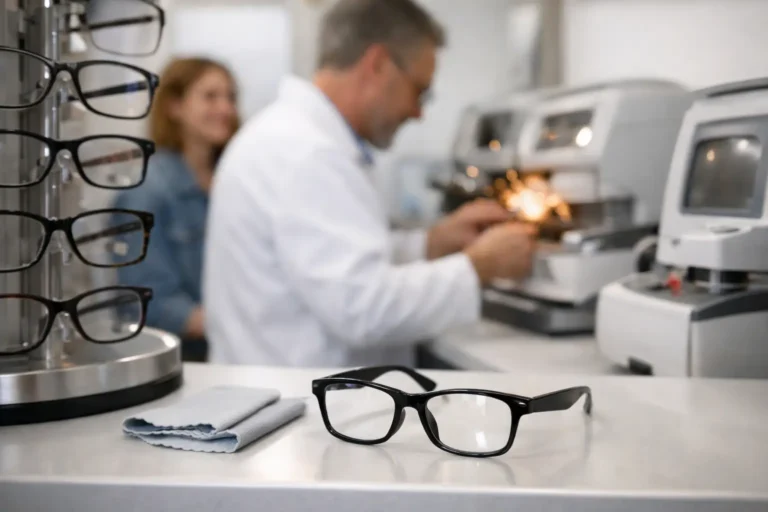
For families who want convenience, it helps to choose a practice that can handle both the medical side of eye care and the eyewear side in one place. That means less running around, faster solutions, and a more complete experience from exam to glasses fitting.
Making the appointment easier for your child
A little preparation can go a long way. Tell your child the doctor is going to check how their eyes see and work, not give them a test they can fail. If they already wear glasses or contacts, bring them along. It also helps to mention any headaches, reading struggles, screen complaints, or teacher observations during the visit.
Children often do better when the experience feels calm and supportive. A friendly environment, a patient approach, and clear explanations can make the appointment much easier, especially for first-time visitors.
At T&T Eyecare, that kind of personalized, full-service care is part of the goal – helping families feel looked after, not rushed through.
A new school year brings enough change on its own. When your child can see clearly, feel comfortable, and walk into class with confidence, that is one less thing for your family to worry about.