What to Expect in a Glaucoma Screening Eye Exam
Glaucoma usually does not announce itself with pain, blurry vision, or an obvious warning sign. Many people feel their eyes are fine right up until permanent vision loss has already started. That is exactly why a glaucoma screening eye exam matters. It gives your eye doctor the chance to look for early changes before you notice a problem and before those changes begin to affect daily life.
For many patients, the word glaucoma sounds alarming because it is often linked with blindness. The better way to think about it is this: glaucoma is serious, but early detection changes the picture. When caught early, it can often be monitored and managed in a way that helps protect long-term vision. A thorough exam is not just about getting a glasses prescription. It is about understanding the health of your eyes as a whole.
What is a glaucoma screening eye exam?
A glaucoma screening eye exam is a medical evaluation used to look for signs of glaucoma or risk factors that make glaucoma more likely. Glaucoma is a group of eye diseases that can damage the optic nerve, which is the part of the eye that sends visual information to the brain. That damage is often related to eye pressure, but not always.
This is where many people get confused. They assume glaucoma screening is just a quick pressure check. Eye pressure is one piece of the puzzle, but it is not the whole story. Some patients have high eye pressure and never develop glaucoma. Others have glaucoma even though their pressure falls within a normal range. A proper screening looks at several factors together, not just one number.
What happens during glaucoma screening eye exam visits?
A glaucoma screening eye exam may include a few different tests, depending on your age, symptoms, family history, and overall eye health. The goal is to build a complete picture.
Your doctor will usually begin with a conversation about your medical history. This matters more than people expect. If you have a family history of glaucoma, diabetes, high blood pressure, previous eye injuries, or long-term steroid use, your risk may be higher. Even details that seem unrelated can help guide the exam.
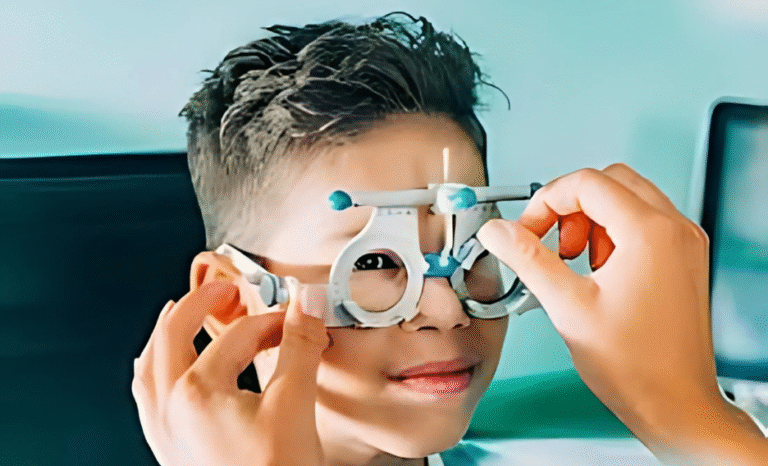
Next, your vision may be checked to see how well you are seeing at different distances. While glaucoma often affects side vision before central vision, a full exam still includes checking your visual function overall.
One of the best-known parts of screening is measuring intraocular pressure. This may be done with a puff-of-air test or with an instrument that gently measures the pressure more directly. Patients sometimes focus heavily on this part, but pressure readings can vary from person to person and even from one visit to another.
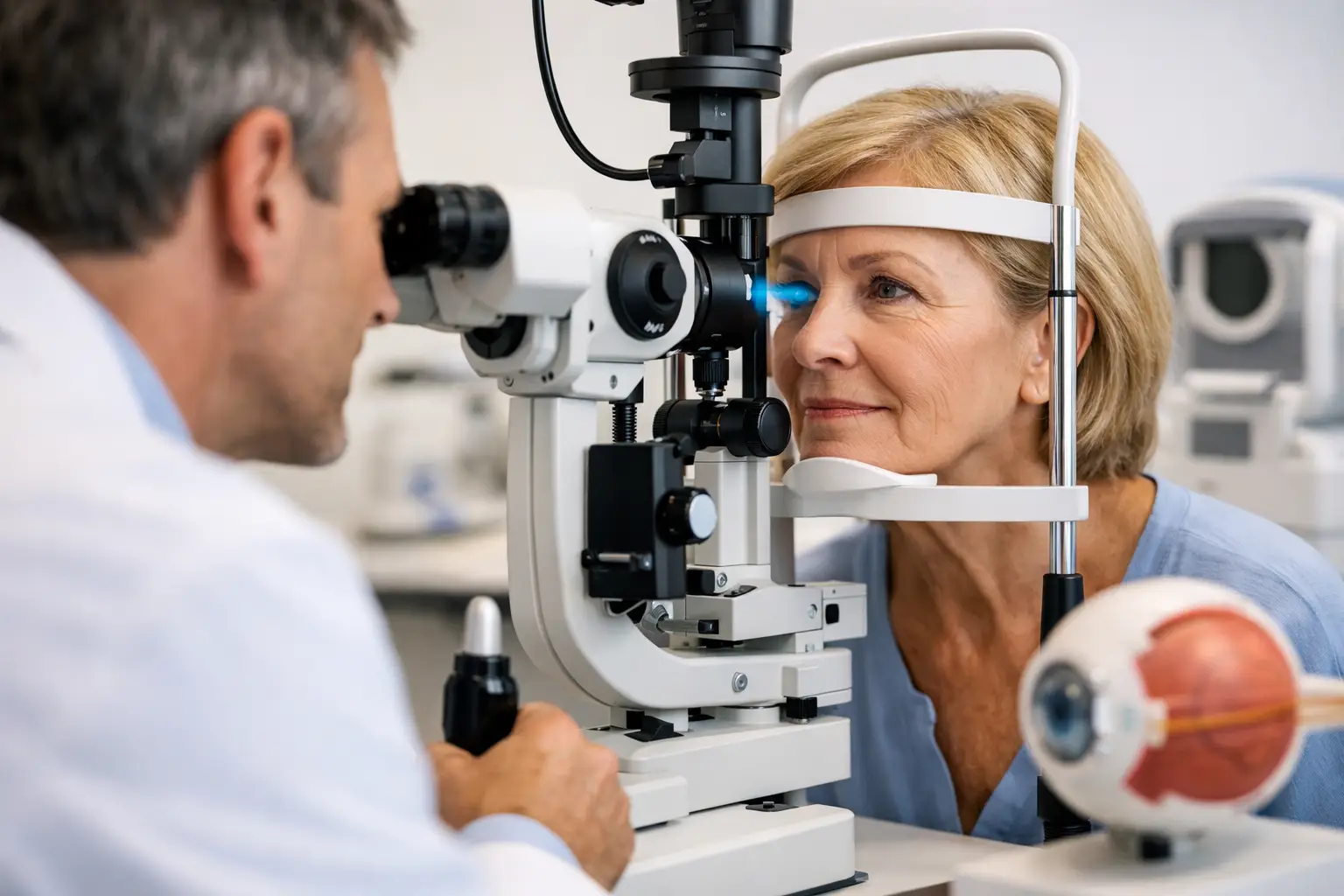
Your eye doctor may also examine the optic nerve. This is a key part of glaucoma detection because the optic nerve can show early signs of damage before you notice symptoms. In some cases, imaging may be used to take detailed pictures or measurements of the nerve and surrounding structures.
Another important test is checking your peripheral vision, also called your side vision. Glaucoma often affects this area first. You may be asked to look straight ahead and respond when lights appear in different parts of your visual field. This test helps identify subtle vision loss that might otherwise go unnoticed.
In some exams, the drainage angle of the eye is evaluated as well. This helps determine what type of glaucoma risk may be present. Different forms of glaucoma can require different monitoring and treatment approaches, so this detail matters.
Why early detection matters
Vision lost to glaucoma cannot usually be restored. That is the hardest truth about the disease and the main reason regular screening is worth your time. Glaucoma tends to progress slowly, and because the brain adapts well, many people do not realize they are losing side vision until the damage is advanced.
A screening exam creates an opportunity to find changes early, track them over time, and begin treatment if needed. Sometimes the result is reassuring and no disease is found. Sometimes the exam shows a patient is only at risk and should be monitored more closely. And sometimes early glaucoma is detected before daily activities are affected. In every case, information is power.
This is especially important for adults who have not had a comprehensive eye exam in years because they can still see well enough to drive, work, and read. Good functional vision does not always mean healthy eyes.
Who should consider a glaucoma screening eye exam?
The short answer is that most adults benefit from regular comprehensive eye exams, and glaucoma screening becomes increasingly important with age. But some people should be especially proactive.
If glaucoma runs in your family, do not wait for symptoms. Family history is one of the strongest risk factors. If a parent or sibling has glaucoma, your own risk may be significantly higher.
Age is another factor. The risk of glaucoma rises as people get older, which makes routine eye health checks especially important for seniors. That said, glaucoma is not only a condition of older adults. Younger adults can develop it too, especially if other risk factors are present.
People with diabetes, high blood pressure, severe nearsightedness, a history of eye trauma, or long-term use of steroid medications may also need closer monitoring. For some patients, your doctor may recommend regular follow-up visits even if no clear damage is seen yet.
This is one reason personalized care matters. There is no single screening schedule that fits everyone. Two people of the same age may need very different follow-up plans based on their health history and exam findings.
Common myths that keep people from getting screened
One common myth is, “If I had glaucoma, I would know it.” In most cases, that is simply not true. Early glaucoma usually has no obvious symptoms.
Another myth is that glaucoma screening is only needed when your vision changes. The trouble is that glaucoma can damage vision silently and gradually. By the time a person notices trouble, there may already be permanent loss.
Some patients also assume that if they passed a basic vision screening elsewhere, they do not need a full eye exam. Vision screenings can be useful, but they are not the same as a comprehensive medical eye examination. They often do not evaluate the optic nerve, peripheral vision, or other structures in enough detail to rule out glaucoma.
Then there is the fear factor. Some people avoid the exam because they are worried about what might be found. That reaction is understandable, but delaying care does not make risk disappear. It only removes the chance to catch a problem early, when it is often most manageable.
If something looks suspicious, what comes next?
A suspicious screening result does not automatically mean you have glaucoma. It may mean your eye pressure is elevated, your optic nerve looks unusual, or your test results suggest the need for closer follow-up. In many cases, your doctor will compare findings over time before making a diagnosis.
That follow-up may include repeat pressure checks, more detailed visual field testing, imaging, or additional evaluation of the optic nerve and drainage angle. Glaucoma diagnosis is often based on patterns and progression, not one isolated result.
If glaucoma is diagnosed, treatment may involve prescription eye drops, laser treatment, or referral for additional care depending on the type and severity. The right plan depends on the individual patient. Some cases are straightforward. Others require long-term monitoring and adjustment.
What matters most is staying engaged with care. The patients who do best are often the ones who keep their appointments, ask questions, and understand that protecting vision is an ongoing process.
Choosing an eye exam that looks beyond your prescription
When patients schedule an eye appointment, they sometimes think in narrow terms: Do I need new glasses? Are my contacts still comfortable? Those are important concerns, but they should not be the only reason to come in. A complete eye exam can reveal health issues you cannot see on your own.
That is why it helps to choose a practice that offers personalized attention, thorough testing, and support beyond the exam room. If glaucoma risk is identified, you want clear answers, dependable follow-up, and a team that treats you like a person, not a number. At T&T Eyecare, that complete-care approach is part of what makes patients feel both cared for and confident in their next steps.
If it has been a while since your last comprehensive exam, or if you have a family history of glaucoma, this is a smart time to schedule one. Peace of mind is valuable, but protecting your sight for the years ahead is even better.