How to Choose Contact Lenses
If you are wondering how to choose contact lenses, the answer is not just about picking a brand or deciding whether you want to stop wearing glasses. The right contacts need to match your prescription, your eye health, your daily routine, and your comfort level. What works well for one person can be frustrating, dry, or even unsafe for someone else.
That is why contact lenses should always start with a proper eye exam and contact lens fitting. A prescription for glasses is not enough on its own. Contact lenses sit directly on the surface of the eye, so the size, material, shape, and wearing schedule all matter.
How to choose contact lenses for your lifestyle
A good starting point is to think about how you actually live day to day. Someone who works long hours in air conditioning and spends most of the day on a computer may need something different from someone who only wants lenses for weekends, sports, or social events.
If you want the simplest option, daily disposable lenses are often a strong choice. You wear a fresh pair each day and throw them away at night. They are convenient, low maintenance, and a good fit for many first-time wearers. They can also be helpful for people with allergies or those who do not want to deal with lens cleaning.
If you wear contacts more regularly and want a reusable option, biweekly or monthly lenses may make sense. These can be cost-effective, but they do require consistent cleaning and storage. If you know you are likely to cut corners with lens care, a daily lens may be the better and healthier choice.
Your routine matters in other ways too. If you play sports, you may want lenses that stay stable and comfortable during movement. If your day starts early and ends late, comfort over many hours becomes especially important. If you travel often, convenience and easy replacement may be a bigger priority than long-term cost.
Your prescription affects your options
Not all contact lenses correct vision in the same way. Some are designed for simple nearsightedness or farsightedness, while others are made for more specific visual needs.
If you have astigmatism, you may need toric lenses. These are designed to stay in a specific position on the eye so your vision remains clear. If you need help seeing both near and far, multifocal lenses may be worth discussing. These can be a very good option for adults who are noticing age-related changes in near vision and want to reduce their dependence on reading glasses.
Some patients assume contacts are not for them because their prescription is strong or a bit more complex. In many cases, that is not true. Today’s lens options are broader than many people realize. The key is having a full evaluation so your eye doctor can recommend what is realistic, comfortable, and safe.
Comfort is not just about softness
Many people think the softest lens will automatically be the most comfortable. Sometimes that is true, but comfort depends on more than feel alone.
The material of the lens affects how much oxygen reaches your eyes. This matters because your cornea needs oxygen to stay healthy. Some modern soft lenses are made from silicone hydrogel, a material that allows more oxygen through than traditional hydrogel lenses. For many wearers, especially those who use lenses for long days, this can be a major benefit.
But oxygen is only one piece of the puzzle. Moisture retention, lens design, edge shape, and how well the lens fits your eye all affect comfort. A lens that feels great on one person may not feel right on another. That is why contact lens fittings are not guesswork. Your eye doctor looks at how the lens sits, moves, and performs on your eye before deciding whether it is the right match.
If your eyes tend to feel dry, be honest about that from the start. Dry eye symptoms can make contact lens wear difficult, but they do not always rule it out. In some cases, changing the lens material or wear schedule is enough. In others, dry eye treatment may be recommended before or along with contact lenses.
Lens care and wear schedule matter more than most people think
One of the biggest mistakes people make is choosing lenses based only on price or convenience, then treating the wear instructions as optional. Contact lenses are medical devices, and how you wear them affects both comfort and safety.
If your lenses are meant to be replaced every two weeks, stretching them to a month is not a small shortcut. Deposits build up, comfort drops, and the risk of irritation or infection goes up. The same goes for sleeping in lenses that are not approved for overnight wear.
When thinking about how to choose contact lenses, ask yourself what routine you will realistically follow. If you want the lowest-maintenance option, daily disposables can reduce a lot of the common problems tied to cleaning and storage. If you are comfortable with a care routine and want reusable lenses, make sure you are prepared to clean them exactly as instructed.
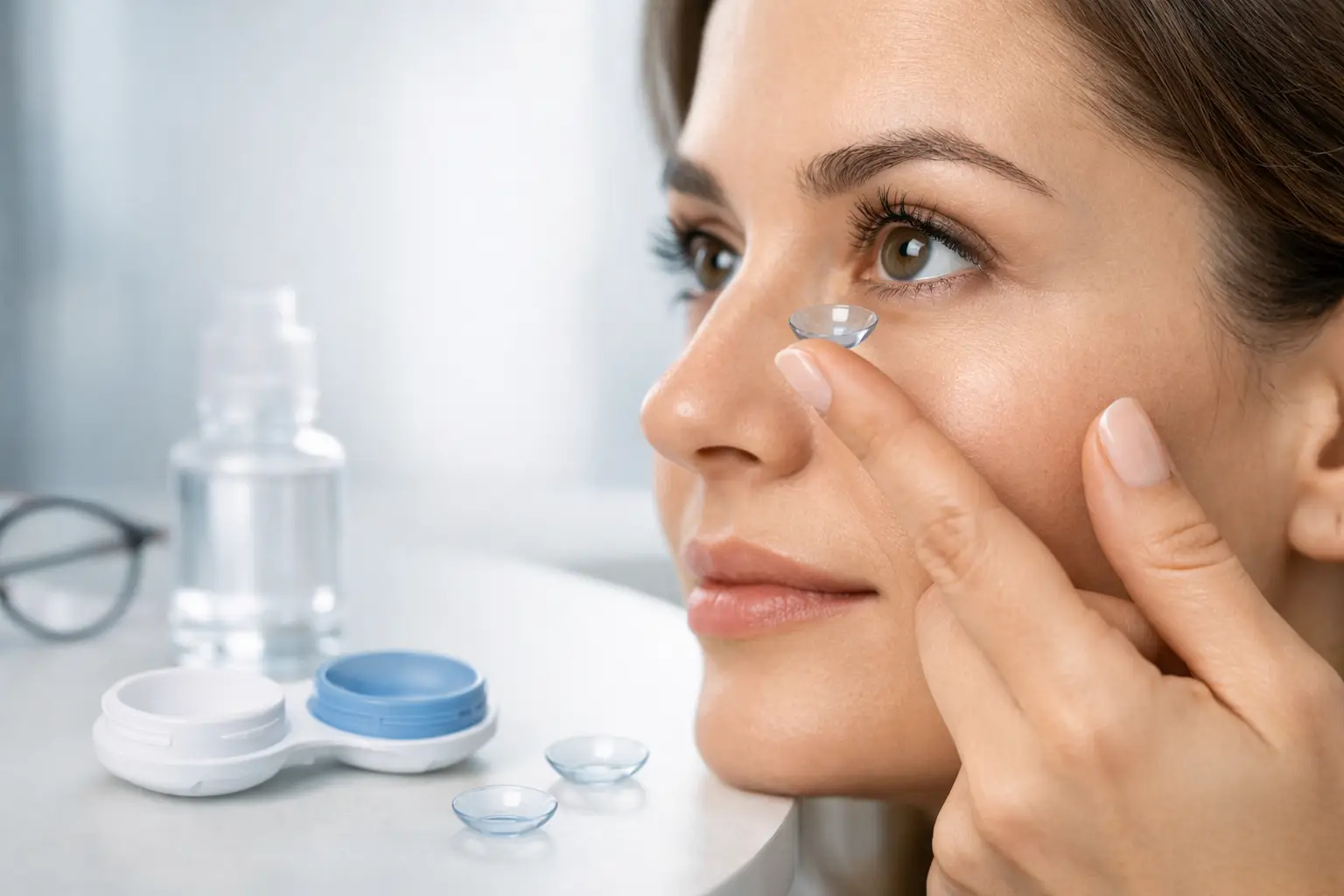
Good lens habits also include washing your hands before handling lenses, using fresh solution, replacing the lens case regularly, and never using water to rinse or store your contacts. These steps may sound basic, but they protect your eyes.
Why an eye exam and fitting are essential
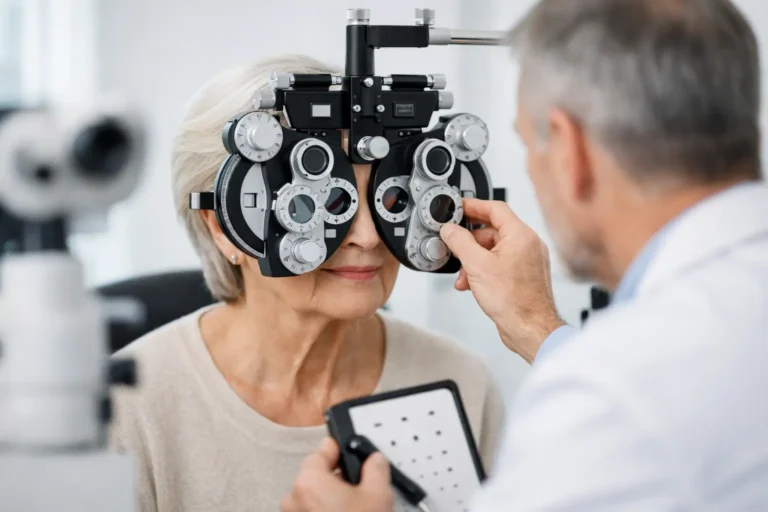
It is tempting to think contact lenses are a simple retail purchase, especially if you already know your glasses prescription. They are not. A proper fitting checks details that glasses alone do not address, including the curvature of your cornea, tear film quality, pupil size, and how the lens interacts with the surface of your eye.
A comprehensive eye exam also helps identify issues that can affect contact lens success, such as dry eye, allergies, corneal irregularities, or signs of eye disease. Sometimes the best contact lens decision comes after catching a problem early and treating it first.
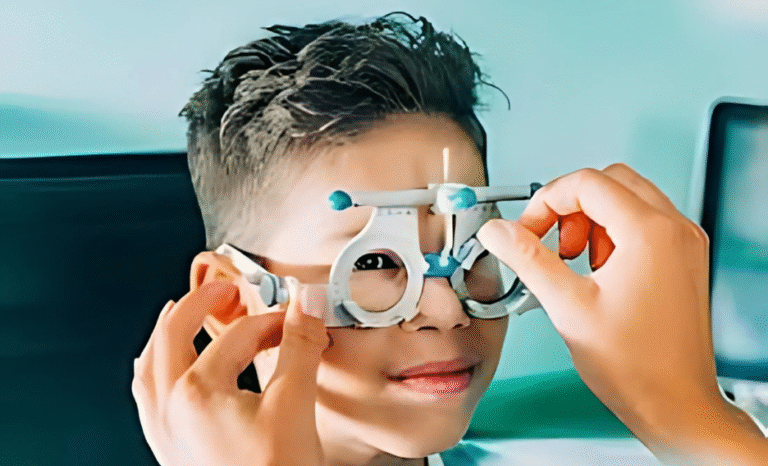
This is especially important for children, teens, and adults trying contacts for the first time. A little guidance early on can prevent a lot of discomfort and confusion. It also gives you a chance to learn how to insert, remove, and care for your lenses correctly.
At a full-service practice such as T&T Eyecare, the benefit is that contact lens selection is part of a larger picture of complete vision health. That means your comfort, prescription accuracy, and eye wellness are all considered together, not as separate concerns.
Questions worth asking before you decide
The best contact lens choice usually becomes clearer when you ask the right questions. How many hours a day will you wear them? Do your eyes get dry easily? Do you want lenses every day or only occasionally? Are you comfortable cleaning and storing them? Do you need correction for astigmatism or reading vision too?
You should also ask what to expect during the adjustment period. Some lenses feel natural almost immediately, while others take a little time. You may need a trial lens or a small change before landing on the right fit. That is normal.
It is also smart to ask about backup glasses. Even if you love your contacts, you should still have an up-to-date pair of glasses for times when your eyes need a break or if you are dealing with irritation, allergies, or illness.
The best choice is personal, not trendy
There is no single best contact lens for everyone. The best choice is the one that gives you clear vision, feels comfortable through your real day, and supports your long-term eye health.
For some people, that will be a daily disposable lens with almost no maintenance. For others, it may be a toric or multifocal design that solves a more specific vision need. And for some, the right first step is treating dryness or updating an old prescription before trying contacts again.
If you have been unsure where to start, let that be your next move: get a proper exam, talk through your routine, and try lenses chosen for your eyes rather than someone else’s recommendation. When contacts are selected carefully, they should feel less like a compromise and more like a natural part of seeing well.