Eyeglass Repair and Adjustment Tips
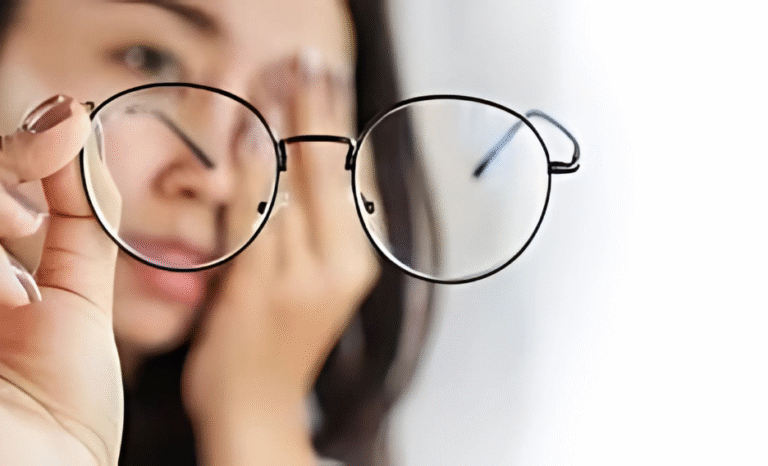
A pair of glasses can feel fine one day and suddenly sit crooked, slide down your nose, or pinch behind your ears the next. That is usually when eyeglass repair and adjustment stops feeling like a small nuisance and starts affecting your whole day. A poor fit can lead to headaches, blurred vision, skin irritation, and extra strain on frames that were never meant to be worn out of alignment.
Glasses are not just accessories. They are part of how you see, work, drive, read, and move through daily life with confidence. When something shifts, bends, loosens, or breaks, the right response depends on what changed and how severe the problem is. Some issues are minor and safe to address carefully. Others need professional hands right away.
Why eyeglass repair and adjustment matters
A proper fit does more than improve comfort. It helps keep your lenses in the correct position in front of your eyes, which is especially important for stronger prescriptions, progressives, and specialized lens designs. Even a small tilt in the frame can change how you look through the lens and make vision feel off.
There is also a durability issue. Frames that are slightly loose or uneven tend to get worse over time. A tiny screw that keeps backing out can lead to a temple arm detaching. Nose pads that sit unevenly can put repeated pressure on one side of the frame. What starts as an annoyance can turn into a larger repair if it is ignored.
For children, active adults, and anyone wearing glasses all day, fit changes are common. Heat, storage habits, accidental drops, and regular wear all affect frame shape. That does not mean your glasses are poor quality. It means they need occasional maintenance, just like anything you rely on every day.
Common signs your glasses need adjustment
Some problems are obvious. Others build slowly enough that people adapt without realizing their glasses are the issue. If your frames keep sliding, sit unevenly on your face, leave deep marks on your nose, or feel tighter on one side than the other, they likely need adjustment.
Vision changes can also point to a fit problem. If your prescription still seems current but reading feels awkward, distance vision seems slightly distorted, or you find yourself tilting your head to see clearly, the frame position may be off. With progressive lenses in particular, small alignment changes can make a big difference.
Loose hinges, wobbling temple arms, missing screws, and nose pads that have shifted or hardened are also common. None of these should be dismissed as normal wear you simply have to live with.
Problems that may be safe to handle carefully at home
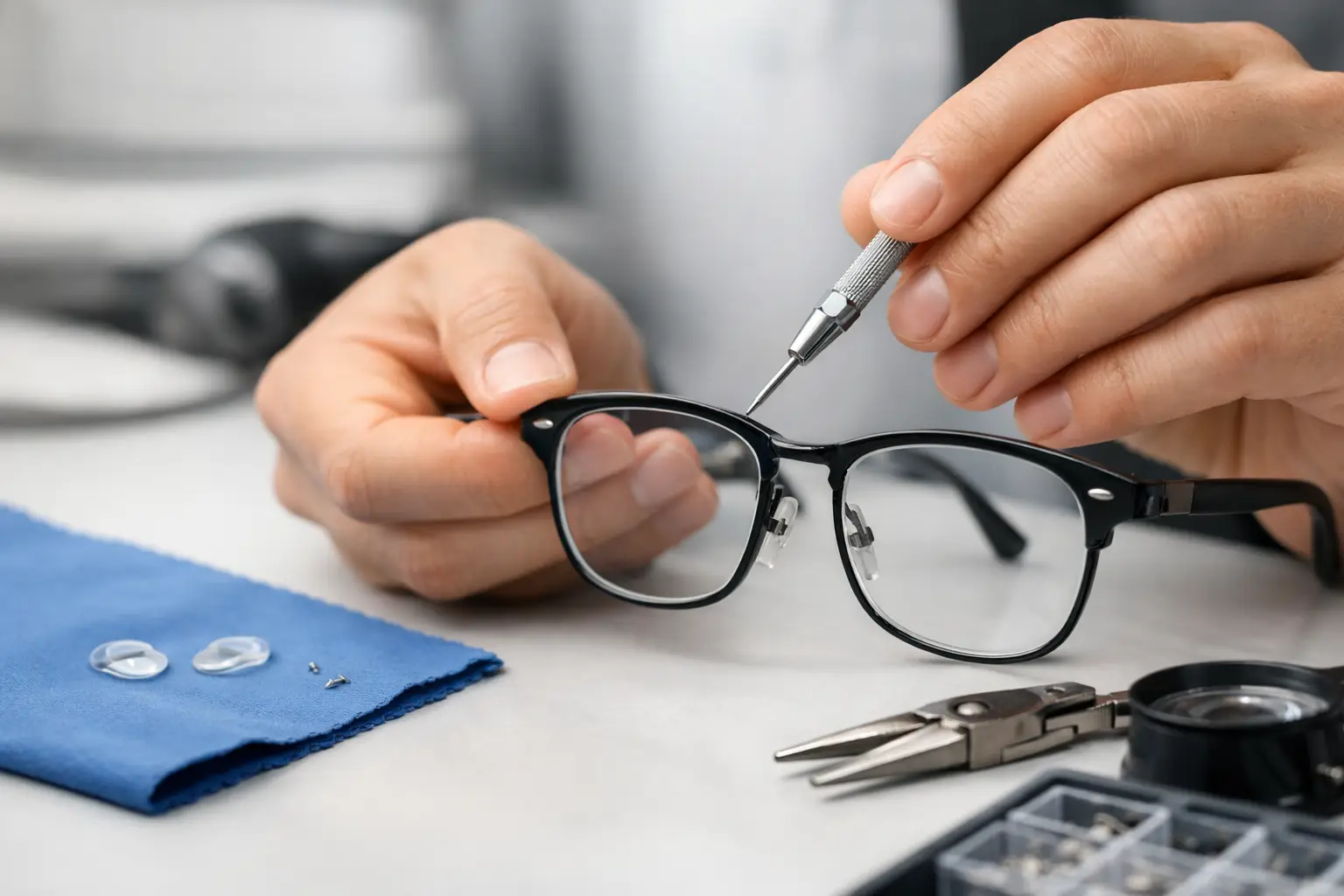
A very minor screw tightening, basic cleaning, or replacing a simple nose pad can sometimes be done at home if you have the correct tools and a steady hand. The key word is minor. If you are forcing a part back into place, bending metal without knowing the frame material, or improvising with household tools, the risk goes up quickly.
Warm water can help with cleaning, but heat should be approached with caution. People sometimes try to reshape frames with hot water or a hair dryer and end up warping plastic or damaging lens coatings. What seems like a quick fix can make the glasses sit worse than before.
Problems that need professional repair
Broken bridges, cracked plastic frames, bent metal chassis, detached temple arms, stripped screws, damaged spring hinges, and major alignment issues are better handled professionally. The same goes for glasses with high-index lenses, progressives, rimless designs, or expensive designer frames. In those cases, precision matters, and a mistake can cost more than the repair itself.
If your glasses were damaged in a fall, sports impact, or car accident, it is worth having both the frame and lenses checked. A lens can look fine and still be compromised, and a bent frame may no longer hold the lenses securely.
What a professional eyeglass adjustment actually includes
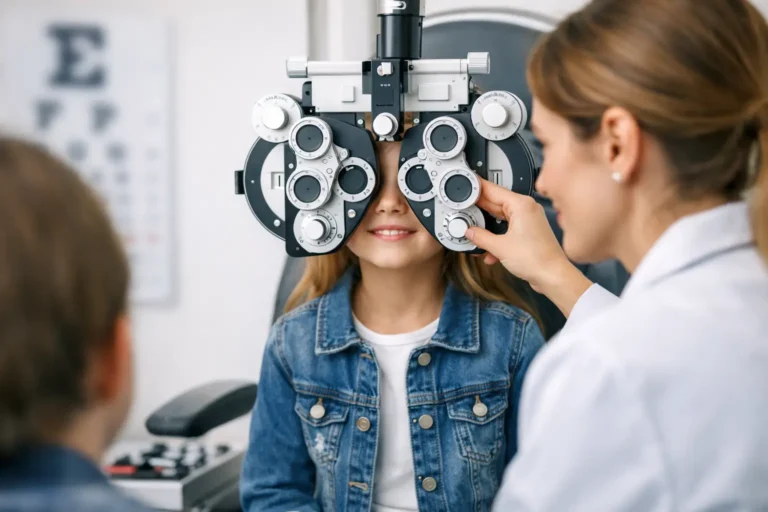
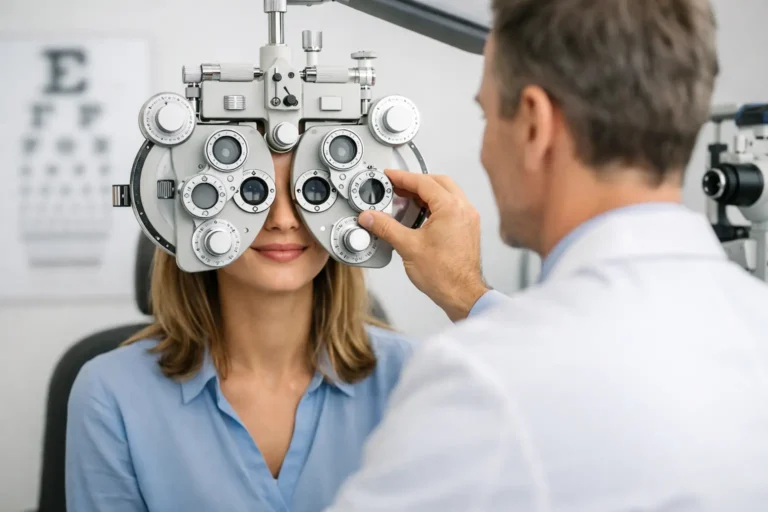
Many people think an adjustment is just a quick bend of the temple arms. In reality, a proper fitting visit is more thoughtful than that. An optical professional looks at how the frame sits across your face, whether the lenses are centered correctly, how the temples rest over your ears, how the nose pads distribute weight, and whether the frame front is level.
If something is loose, they can tighten and inspect the hardware. If the frame is crooked, they can bring it back into alignment without placing stress on weak points. If the fit is uncomfortable, they can adjust pressure points in a way that improves wear without compromising lens position.
That balance matters. Glasses should feel comfortable, but they also need to function as prescribed. A pair that feels loose and casual may not provide the best visual performance. A pair that is technically aligned but painfully tight is not right either. Good adjustment is about both comfort and accuracy.
Eyeglass repair and adjustment for different frame types
Not all frames respond the same way to repair. Plastic frames often require careful heating to become flexible enough for adjustment. Too little heat and they can crack under pressure. Too much and they can lose shape. Metal frames are often more adjustable, but repeated bending can weaken them over time, especially at thin joints.
Rimless and semi-rimless frames need extra care because the mounting system is more delicate. Sports frames, fashion frames, and lightweight minimalist styles each have their own repair considerations. Even nose pads vary. Silicone pads, hard pads, and fixed molded bridges all behave differently.
This is one reason professional help is valuable. The right method depends on the material, design, and age of the frame, not just the visible problem.
How to make your glasses last longer
A lot of repair visits come down to ordinary habits. Glasses should be removed with both hands, not one. That simple change reduces twisting at the hinges and helps keep frames symmetrical. They should also be stored in a protective case when not in use, especially in a bag, car, or bedside area where they can be crushed or knocked to the floor.
Cleaning matters too. Wiping lenses with a shirt hem or paper towel can scratch coatings and transfer oils to the frame. Using lens-safe cleaner and a microfiber cloth helps preserve both lenses and hardware. It is also wise to keep glasses away from high heat, including dashboards, stovetops, and some salon or outdoor conditions. Excess heat can warp frames and affect lens treatments.
For children, regular fit checks are especially useful because facial features change as they grow and active use can loosen frames quickly. For adults who wear glasses full-time, occasional adjustments help prevent small fit issues from turning into major ones.
When discomfort may mean more than a frame issue
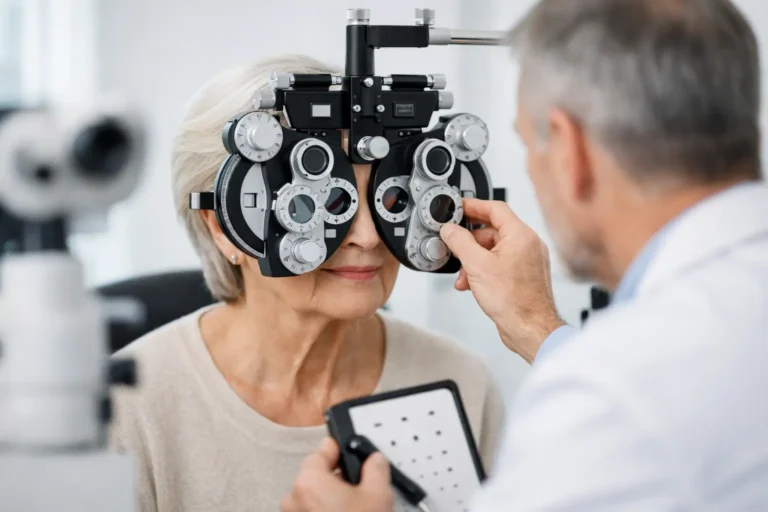
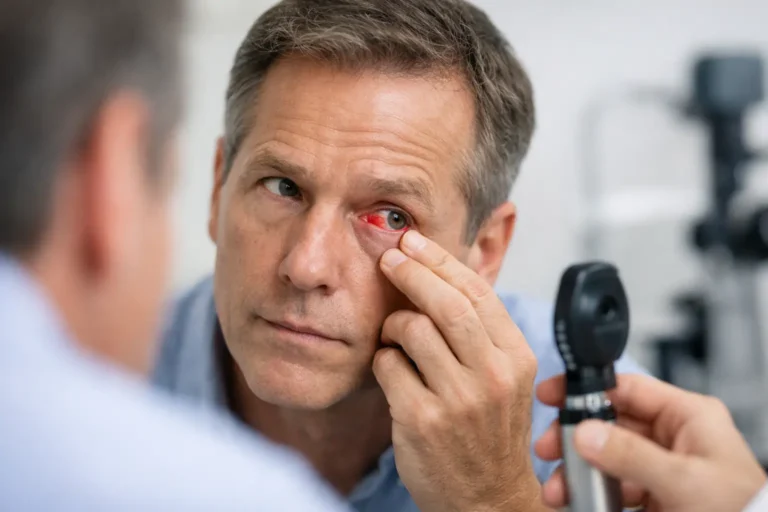
Sometimes glasses feel wrong because the prescription has changed, your eyes are strained, or there is an underlying eye health concern. If your frames have been adjusted and you still experience headaches, blurry vision, trouble focusing, or discomfort while reading or driving, it may be time for an eye exam rather than another repair.
That is where complete care matters. Eyewear should support your vision, but it should never replace ongoing attention to your eye health. A quality optical visit and a comprehensive eye exam serve different purposes, and many patients benefit from both.
At a full-service practice such as T&T Eyecare, that connection between fit, comfort, and eye health is part of the value. If your glasses need adjustment, you can address the immediate issue while also making sure your prescription and overall vision needs are still being met.
Knowing when to come in
If your glasses are slipping, sitting unevenly, causing pain, or showing signs of wear, do not wait for the problem to become more expensive or harder to fix. The earlier a frame is adjusted, the better the chance of preserving both comfort and durability.
Professional repair is also worth considering when the glasses are an essential part of work, school, or daily driving. Being without them for even a short time can disrupt more than convenience. It can affect safety, performance, and confidence.
A good pair of glasses should feel stable, comfortable, and easy to trust. When they do not, a careful repair or adjustment can make a bigger difference than most people expect. Sometimes the best next step is not replacing your eyewear at all. It is giving the pair you already rely on the attention it needs.