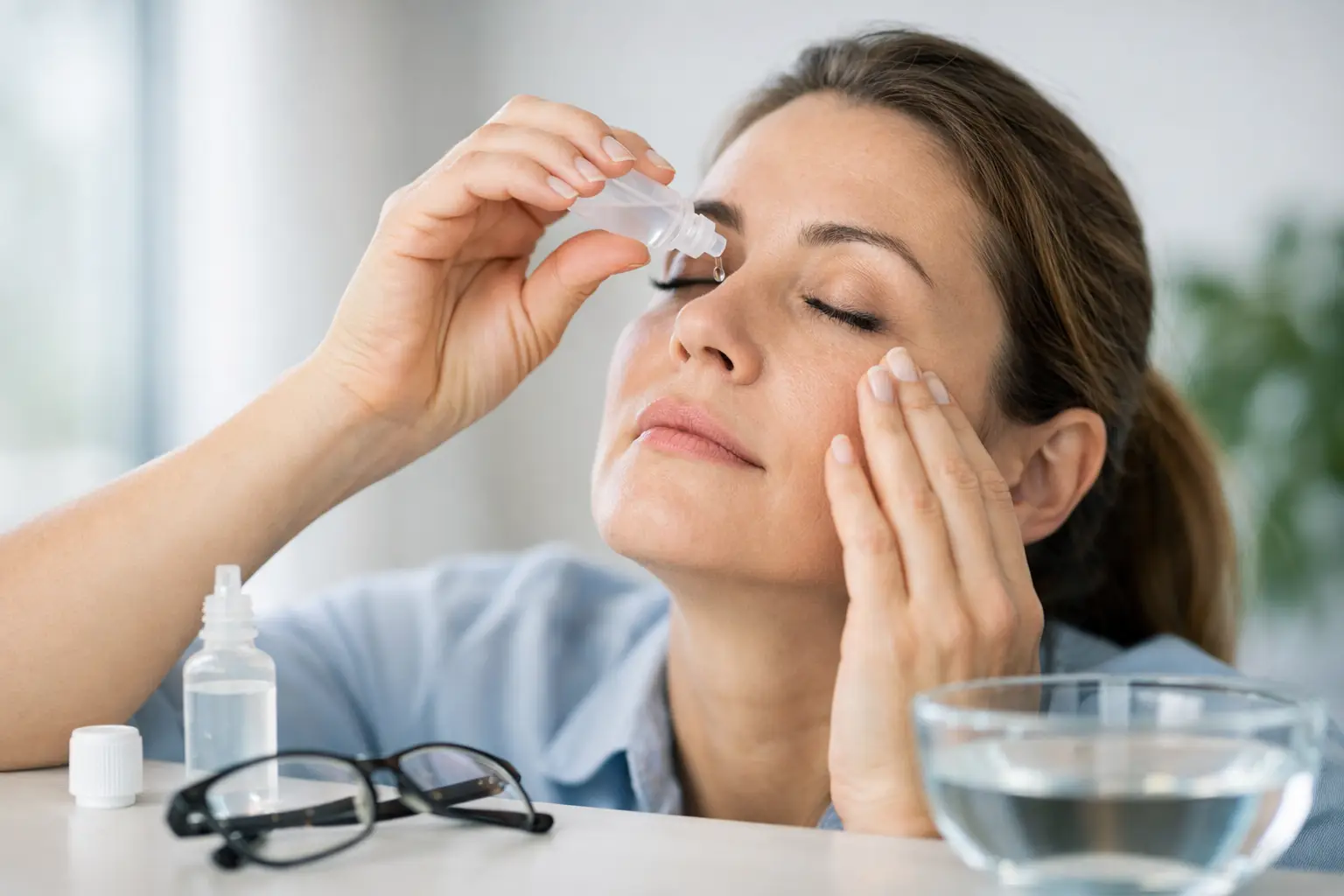
How to Help Dry Eyes and Find Relief
That scratchy, burning feeling often shows up at the worst time – during a workday, while driving, or when you are trying to fall asleep. If you are wondering how to help dry eyes, the answer usually starts with a mix of better daily habits, the right treatment, and knowing when symptoms need professional attention.
Dry eye is common, but that does not mean you should ignore it. Eyes that feel irritated, watery, tired, or sensitive to light are not just uncomfortable. They can affect focus, reading, screen time, and overall quality of life. In some cases, dry eye is mild and occasional. In others, it can point to an ongoing issue with tear production, tear quality, eyelid function, contact lens wear, or the environment around you.
How to help dry eyes at home
For many people, relief starts with simple changes. Artificial tears are often the first step. These over-the-counter lubricating drops can help replace moisture and reduce irritation. Preservative-free options are usually a better choice if you need drops several times a day, since they tend to be gentler on sensitive eyes.
It also helps to pay attention to your environment. Air conditioning, ceiling fans, and windy outdoor conditions can all make dry eye feel worse. If air is blowing directly toward your face at home, in the car, or at your desk, adjusting that airflow can make a bigger difference than people expect. A humidifier may also help if your indoor air feels especially dry.
Warm compresses are another useful home remedy, especially if your dry eye is related to blocked oil glands along the eyelids. A clean, warm washcloth placed gently over closed eyes for several minutes can help loosen oils that support a healthier tear film. The key is consistency. Doing it once may feel nice, but doing it regularly is more likely to help.
Hydration matters too. While drinking more water will not fix every case of dry eye, dehydration can make symptoms worse. If your eyes feel dry and you are also dealing with headaches, fatigue, or a dry mouth, your body may simply need more fluids.
Everyday habits that can make dry eyes worse
Sometimes the biggest source of relief comes from stopping what is aggravating the problem. Screen time is one of the most common triggers. When you look at a phone, computer, or tablet, you tend to blink less often and less completely. That means tears evaporate faster, leaving the surface of the eye exposed.
If your symptoms flare during work or long study sessions, try taking brief visual breaks throughout the day. Looking away from the screen and blinking intentionally for a few seconds can help reset the tear film. Raising your screen slightly lower than eye level may help too, since a wider-open eye surface tends to dry out faster.
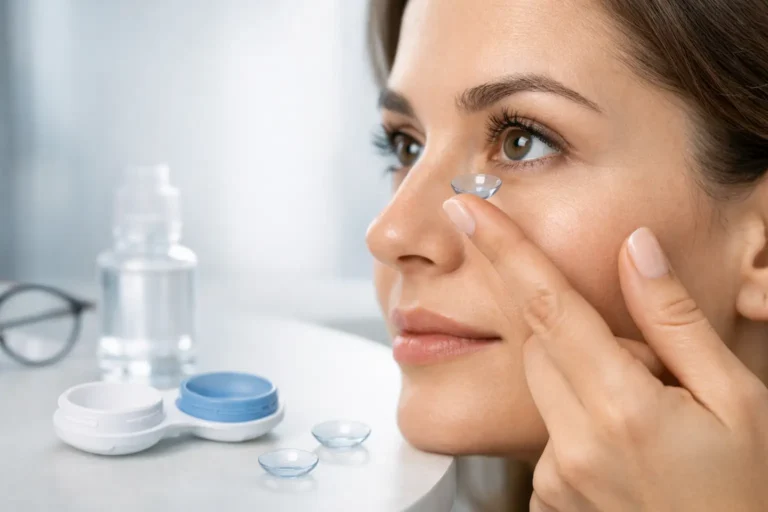
Contact lenses can also contribute to dry eye, even if they have always felt comfortable in the past. Some people develop dryness after years of lens wear, while others notice it almost immediately in air-conditioned rooms or after long days. If your lenses feel gritty, shift around too much, or become uncomfortable by the afternoon, it may be time to review your lens type, wearing schedule, or cleaning routine with your eye doctor.
Makeup and skincare products can sometimes play a role as well. Eyeliner applied too close to the lid margin can block glands that help keep tears stable. Certain facial products may also irritate the eyes, especially if they migrate during the day.
Why dry eyes can cause watery eyes
One of the more confusing parts of dry eye is that it can make your eyes water excessively. That sounds backward, but it is actually common. When the eye becomes irritated from dryness, it may produce a sudden rush of reflex tears. These tears are not the same as the balanced tear film your eyes need for lasting comfort, so they often spill over without truly solving the dryness.
If your eyes are both watery and irritated, dry eye may still be the issue. It is one reason self-diagnosis can get tricky. Allergies, eyelid inflammation, contact lens problems, and infections can create similar symptoms.
When dry eye is more than a minor annoyance
Mild dryness after a long day is one thing. Ongoing symptoms are another. If you are using drops often and still not feeling better, or if your eyes are red, painful, blurry, or unusually light-sensitive, it is time for a proper eye evaluation.
Dry eye can be linked to meibomian gland dysfunction, blepharitis, allergies, medication side effects, hormone changes, autoimmune conditions, or poor eyelid closure during sleep. Cataract surgery, LASIK, and normal aging can also affect tear production and quality. The right treatment depends on the cause, which is why a personalized exam matters.
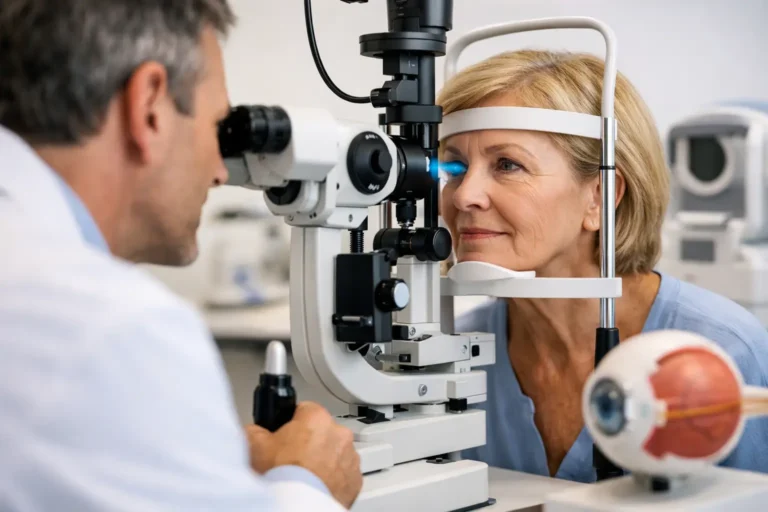
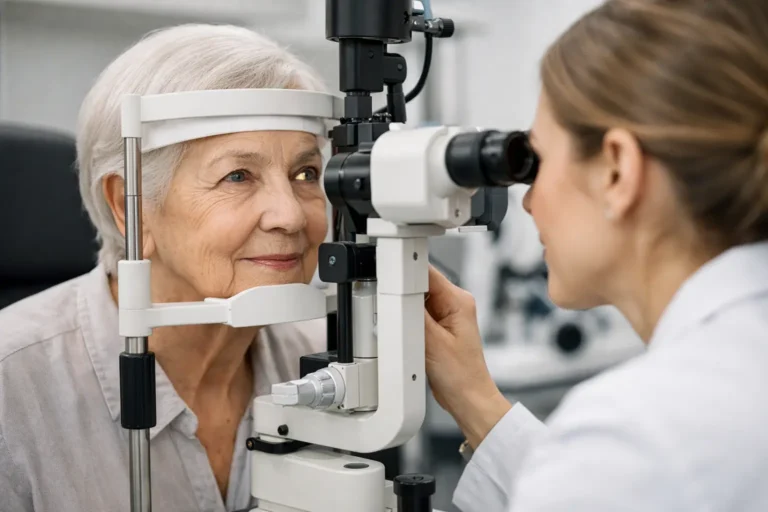
This is where complete care becomes important. Rather than guessing your way through a shelf of eye drops, a comprehensive eye exam can help determine whether the problem is related to tear quantity, tear quality, inflammation, eyelids, contact lenses, or something else entirely. That allows treatment to be more targeted and more effective.
Treatments your eye doctor may recommend
If home care is not enough, your eye doctor may recommend a more structured dry eye treatment plan. That may include prescription drops to reduce inflammation and help the eyes maintain moisture more effectively. In some cases, stronger lid hygiene routines are needed to treat eyelid inflammation or blocked glands.
You may also be advised to change the type of artificial tears you use. Not all eye drops are the same. Some are designed for watery deficiency, while others are better for evaporation-related dry eye. Using the wrong product is not dangerous in most cases, but it may not give you much relief.
For some patients, punctal plugs may be considered. These tiny inserts help keep tears on the eye surface longer by reducing drainage. They are not right for everyone, but they can be helpful when the main issue is insufficient tear retention.
If contact lenses are part of the problem, your doctor may recommend a different material, a different replacement schedule, or more breathable options. Sometimes the best solution is not giving up contacts altogether, but finding a lens that better matches your eyes and daily routine.
How to help dry eyes if you work on screens all day
Work-related dry eye deserves its own attention because it is so common. Office workers, students, drivers, gamers, and anyone spending hours with digital devices often notice symptoms by midday. Eyes may feel tired, blurry, or heavy, even if vision is otherwise fine.
Start by improving your setup. Position screens so you are not staring upward. Reduce glare where possible. Blink fully, not just halfway. And give your eyes regular short breaks instead of waiting until they already feel strained.
If the room is cold and heavily air-conditioned, that may be part of the issue too. In Trinidad and Tobago, many people move between bright outdoor heat and very cool indoor spaces throughout the day. That shift can leave eyes feeling irritated fast, especially for contact lens wearers. A good exam can help sort out whether environment alone is the cause or whether an underlying dry eye condition is developing.
The importance of not overusing redness drops
Many people reach for drops that “get the red out” because the eyes look tired or irritated. These drops may temporarily make the eyes appear whiter, but they do not treat dry eye itself. In some cases, frequent use can even lead to rebound redness, where the eyes look redder once the effect wears off.
If comfort is the goal, lubricating drops are usually the better place to start. If redness keeps returning, the underlying reason should be checked rather than simply covered up.
Dry eyes in children, adults, and seniors
Dry eye is often associated with older adults, but it is not limited to one age group. Children and teens can develop dryness from heavy screen use, allergies, or certain medications. Working adults may notice symptoms from long office hours, contact lens wear, or environmental exposure. Seniors are more likely to experience changes in tear production as part of aging, and they may also take medications that contribute to dryness.
Because the causes vary by age and lifestyle, there is no single fix that works for everyone. That is why personalized attention matters. The right plan should fit your symptoms, your daily routine, and your eye health history.
If dry eye is affecting your comfort, your concentration, or your vision, it is worth getting it checked instead of pushing through it. At T&T Eyecare, a thorough exam can help identify what is causing the irritation and guide you toward relief that actually fits your eyes and your life. A comfortable pair of eyes can make the whole day feel easier.