Comprehensive Eye Exam Benefits Explained
A lot can change between the day you notice blurry road signs and the day you finally book an appointment. Eyestrain may start showing up at work. Headaches may become more frequent. A child may begin squinting at the board. That is where comprehensive eye exam benefits become easy to appreciate – they go far beyond getting a new glasses prescription.
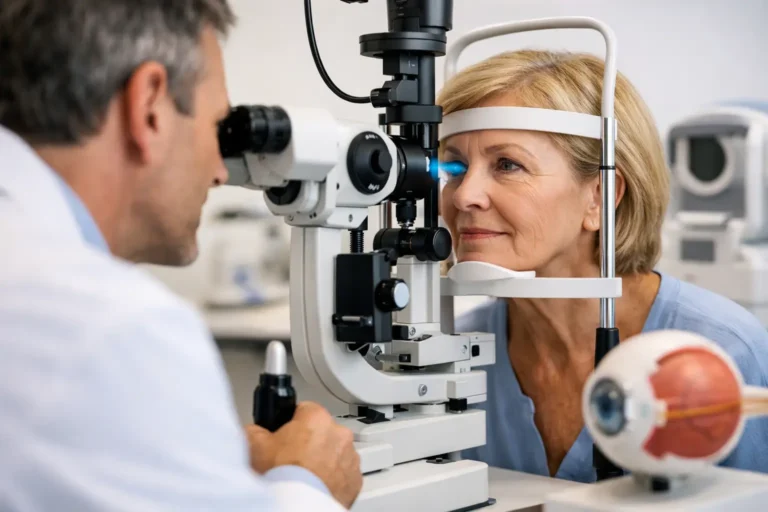
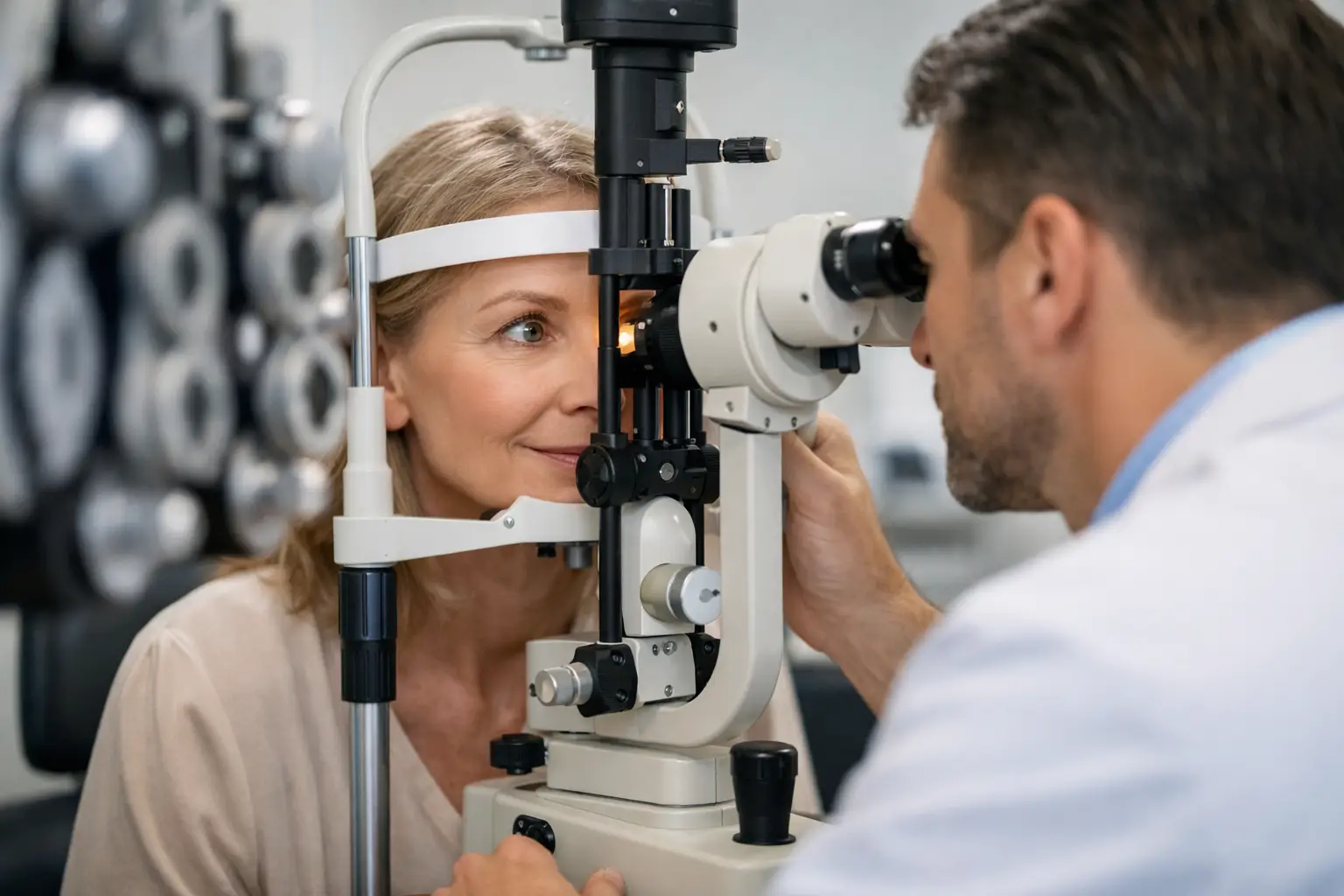
A comprehensive eye exam looks at how well you see, how your eyes work together, and whether there are early signs of health problems that may not cause symptoms yet. For many patients, that means better vision right away. For others, it means catching a concern early, before it interferes with daily life.
What makes a comprehensive exam different?
A basic vision screening can tell you whether you may need further testing. A comprehensive eye exam is much more thorough. It is designed to evaluate your overall eye health, not just whether you can read letters on a chart.
That difference matters. Many eye conditions develop slowly and quietly. You may feel that your vision is “good enough” even as changes are happening in the background. A full exam gives your optometrist the chance to assess your prescription, check the health of structures inside the eye, and identify problems that deserve attention now rather than later.
For adults, children, and people older than 70 years, the value is slightly different. A school-age child may need help with focusing and tracking. A working adult may need relief from digital eye strain or updated contact lenses. An older adult may need monitoring for cataracts, glaucoma, or retinal changes. The exam adapts to the person, which is one of its biggest strengths.
The most important benefits of a comprehensive eye exam
The clearest benefit is often better vision. If your prescription has changed, even a small update can make reading, driving, screen use, and daily tasks more comfortable. Many people do not realize how much they have been compensating until they put on the right lenses and notice the difference immediately.
Another major advantage is early disease detection. Conditions such as glaucoma, diabetic eye disease, macular degeneration, and cataracts do not always announce themselves early. You may not feel pain or notice obvious blur at first. A comprehensive exam can reveal warning signs before major vision loss occurs. Early detection does not guarantee every problem can be reversed, but it often improves treatment options and long-term outcomes.
These exams can also uncover signs of broader health issues. The eyes can reflect changes associated with diabetes, high blood pressure, and other systemic conditions. An eye exam is not a replacement for primary medical care, but it can become an important part of recognizing when something else may need attention.
There is also the everyday comfort factor. When vision is off, life becomes more tiring than it needs to be. You may strain to read messages, hold books farther away, or feel fatigued after screen time. The right prescription, lens recommendation, or treatment plan can reduce that daily friction.
Comprehensive eye exam benefits for children
Children do not always know when their vision is a problem. They may assume everyone sees the same way they do. Some children can pass a quick school screening and still have issues with focus, eye teaming, or prescription needs that affect reading and classroom performance.
That is one reason parents often find the benefits of a comprehensive eye exam especially meaningful. A thorough exam can help identify issues that may show up as a short attention span, avoidance of near work, frequent blinking, or complaints of headaches. Sometimes the problem is not behavior or motivation at all. It is a vision.
Early care can make a real difference in confidence. When a child can see clearly and use their eyes comfortably, school and play often become less frustrating. If glasses are needed, having guidance on fit, comfort, and lens options helps children actually wear them consistently.
Why adults should not wait for symptoms
Adults often put eye care low on the list until driving at night becomes harder or computer work starts causing strain. The challenge is that symptoms do not always appear early, especially with eye disease. Waiting for a problem to feel serious can reduce the chance of addressing it early.
A comprehensive exam is also useful for people whose lives and work have changed. More screen time, longer commutes, frequent contact lens wear, and changing health conditions can all affect your eyes. Even if your old glasses still seem usable, they may not be the best match for how you live now.
This is also where personalized care matters. Not everyone needs the same solution. One patient may benefit from updated progressive lenses. Another may need contact lens adjustments. Someone else may need help with dryness, irritation, or eye fatigue. Good eye care should match the person, not just the prescription.
Eye exam benefits for people older than 70
As we age, regular eye exams become even more important. Vision changes can happen gradually, and age-related eye conditions become more common. Cataracts, glaucoma, and retinal issues may affect independence, reading ability, balance, and driving safety.
One of the most practical, comprehensive benefits of an eye exam for people older than 70 years is preserving the quality of life. Seeing clearly supports confidence in everyday routines, from managing medication labels to recognizing faces to moving safely around the home and outdoors.
Monitoring is a big part of this stage of care. Not every age-related change requires immediate treatment, but it does need to be followed. The earlier a provider can establish what is normal for your eyes and what is changing over time, the better the decision-making tends to be.
It is not only about glasses.
Many people still think of an eye appointment as the place where they find out whether they need new lenses. Glasses are certainly part of the picture, but the exam itself has a much broader purpose.
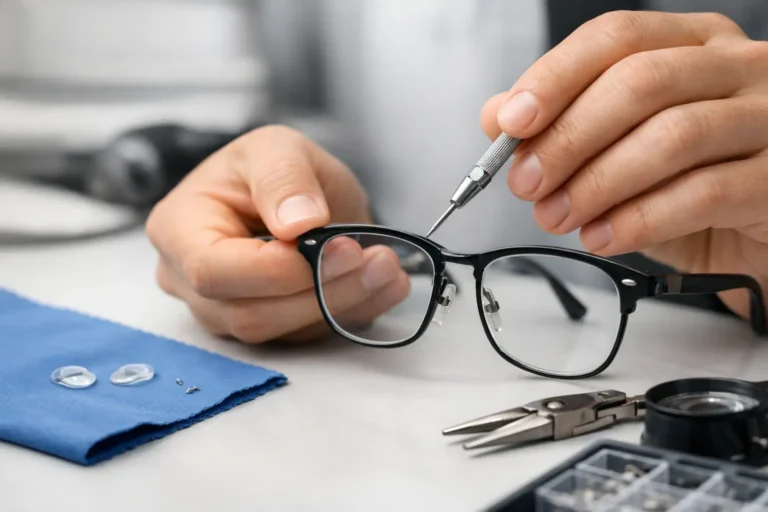
For contact lens wearers, a comprehensive exam can help evaluate comfort, fit, and eye surface health. A lens that worked well in the past may no longer be ideal if your eyes have become dry or your routine has changed. For patients interested in eyewear, the right prescription is only the starting point. Frame fit, lens design, and day-to-day needs all affect how satisfied you will be.
This is one reason a full-service practice can be especially convenient. When clinical care and optical support work together, patients can move from exam to recommendations to eyewear decisions with less guesswork. That often leads to a better overall experience and fewer delays in getting the help you need.
How often should you have an exam?
It depends on your age, symptoms, medical history, and whether you already wear glasses or contacts. Some people need annual exams. Others may need to be seen more often because of diabetes, glaucoma risk, eye injuries, or ongoing vision changes.
Children should be evaluated at recommended intervals, especially if there are concerns about learning or visual comfort. Adults who spend long hours on screens or rely heavily on sharp vision for work should not assume they can wait indefinitely. People older than 70 years usually benefit from consistent follow-up because age-related changes become more likely over time.
If your eyes are red, painful, suddenly blurry, or otherwise not acting normally, that is not a situation to postpone. Comprehensive care also means knowing when an issue is routine and when it needs prompt attention.
What to expect from a patient-centered exam
A good exam should feel thorough, clear, and tailored to you. That means asking about symptoms, daily habits, medical history, and vision goals. It means explaining findings in language that makes sense. It also means offering recommendations that fit your lifestyle, whether that involves children’s eyewear, computer use, contact lenses, or monitoring a health condition.
At T&T Eyecare, that complete-care approach is part of the experience patients value most. The goal is not simply to hand over a prescription. It is to help patients understand their eye health, feel comfortable asking questions, and leave with a plan that supports both clear vision and long-term wellness.
If it has been a while since your last appointment, or if something about your vision has been bothering you, this is a good time to stop putting it off. Clear sight matters, but peace of mind matters too, and a comprehensive eye exam can give you both.