Eye Exam Tips for Adults Over 70
Gradually, small changes in vision can sneak up on you, especially with adults over 70. A little more glare at night, trouble reading labels in dim light, or needing brighter lamps around the house may not seem urgent at first. But older people’s eye exam recommendations exist for a reason – age-related eye conditions often develop slowly, and many do not cause obvious symptoms in the early stages.
For older adults, routine eye care is about much more than updating a glasses prescription. A comprehensive exam can help detect cataracts, glaucoma, macular degeneration, diabetic eye disease, and other concerns before they have a bigger impact on daily life. That early insight can make a real difference in preserving comfort, independence, and confidence.
What Eye Exams for Adults Over 70 Usually Include
In general, most adults over 70 should have a comprehensive eye exam every one to two years, even if they feel their vision is stable. Some people need visits more often. If you have diabetes, high blood pressure, a history of eye disease, past eye surgery, or a family history of glaucoma or macular degeneration, your optometrist may recommend a more frequent schedule.
This is where general advice meets personal care. There is no single timeline that fits everyone at age 65 or 75. Two people of the same age can have very different risk factors, medications, symptoms, and visual demands. Someone who drives often at night, manages several health conditions, or has noticed changes in side vision may need closer monitoring than someone with few risk factors and consistently healthy exam findings.
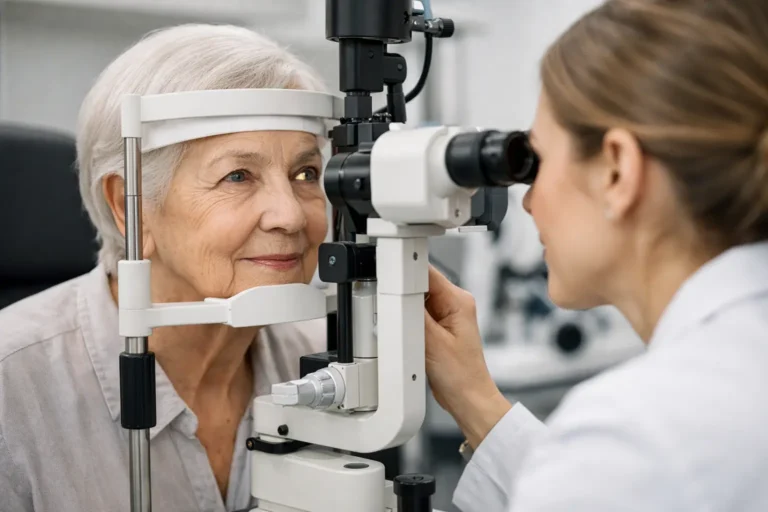
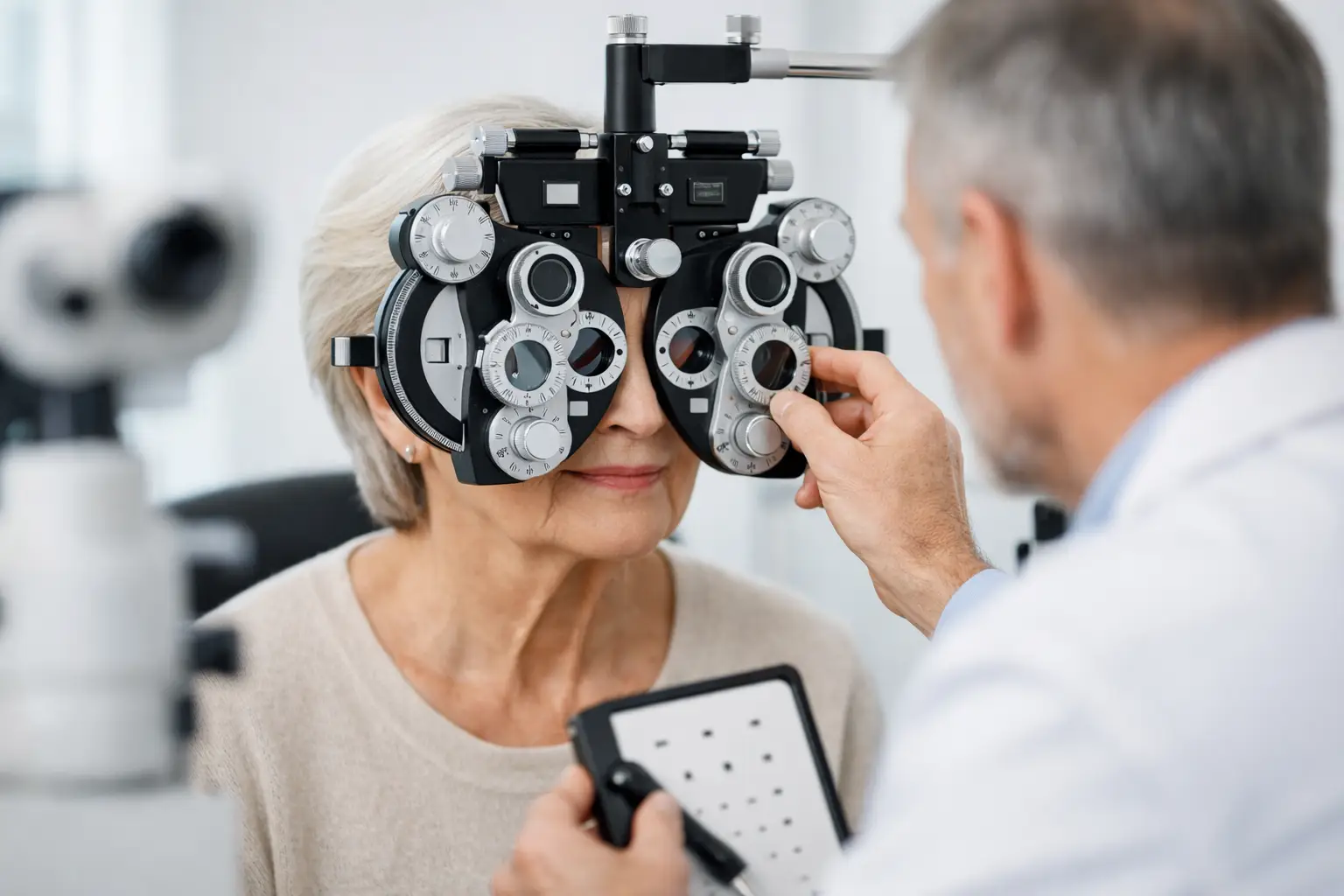
An adult over 70 eye exam usually includes more than reading letters across the room. It can involve checking visual acuity, intraocular pressure, eye teaming, peripheral vision, and the eyes’ response to light. Your doctor may also evaluate the retina and optic nerve for signs of disease. If needed, additional testing can help monitor changes over time and guide treatment decisions.
Understanding Age-Related Changes in Eye Health
Aging affects the eyes in predictable ways, but that does not mean every change should be dismissed as normal. Many older adults notice that reading gets harder, contrast feels weaker, and glare becomes more bothersome. Those issues can stem from common age-related changes, but they can also overlap with medical conditions that warrant attention.
Cataracts are one of the most familiar examples. They often develop gradually and can cause cloudy vision, diminished color perception, and increased difficulty driving at night. Glaucoma is different because it may damage vision quietly, often without clear warning signs, until loss has already occurred. Macular degeneration can affect central vision and make tasks like reading, cooking, or recognizing faces more difficult.
That is why consistent exams matter so much in later adulthood. Waiting until vision is obviously worse may delay diagnosis. In many cases, the goal is to catch a problem before daily activities start to suffer.
Signs it is time to schedule sooner
Even with a regular exam schedule, certain symptoms should not be ignored until the next annual visit. Blurred vision, sudden floaters, flashes of light, eye pain, double vision, redness that does not improve, or a sudden drop in vision all deserve prompt evaluation.
Less dramatic symptoms can also justify an earlier appointment. If a person over 70 is squinting more, feeling less steady on stairs, struggling with medication labels, or avoiding driving after dark, those are meaningful changes. Sometimes the cause is a simple prescription update. Other times, those complaints point to cataracts, dry eye, or early disease that should be addressed.
Family members often notice these shifts before the patient does. If you are helping a parent or grandparent and notice them moving closer to the TV, missing steps, or constantly complaining about dim lighting, it is reasonable to suggest an exam.
How Chronic Health Conditions Affect Eye Exams for Adults Over 70
Medical history plays a major role in how often older adults over 70 should be seen. Diabetes can affect the tiny blood vessels in the retina, sometimes before vision changes are noticeable. High blood pressure may also contribute to eye health concerns. Autoimmune conditions, stroke history, and some neurological disorders can influence both vision and eye function.
Medications matter too. Some prescriptions can contribute to dry eye, blurry vision, light sensitivity, or pressure-related concerns. This does not mean a medication should be stopped, but it does mean your eye doctor should know what you take and how often you take it.
This is one reason comprehensive care is so valuable. Eye health does not sit in isolation from the rest of the body. A thoughtful exam connects vision symptoms to the bigger health picture, helping older adults receive more personalized recommendations rather than one-size-fits-all advice.
What to expect at the appointment
For many older adults, knowing what will happen during the visit makes the experience more comfortable. A comprehensive exam may begin with a review of health history, medications, vision changes, and any concerns about daily tasks such as reading or driving. From there, testing helps evaluate how clearly you see and how healthy your eyes appear overall.
Depending on the findings, your pupils may be dilated so the doctor can get a better view inside the eye. Some patients dislike dilation because it can temporarily blur close vision and increase light sensitivity, but it remains an important part of detecting certain retinal and optic nerve problems. If you are sensitive to dilation or have transportation concerns, mention that when you schedule.
Bring your current glasses, a list of medications, and any questions you have noticed over the past few months. It helps to mention practical problems, not just medical ones. Saying “I have trouble seeing street signs at dusk” or “my readers are not enough for sewing anymore” gives your doctor useful context.
Glasses, lighting, and daily function still matter
Eye health screening is essential, but quality of life matters too. People over 70 often benefit from updated lenses, better glare control, improved reading support, or sunglasses that make outdoor vision more comfortable. Small changes in eyewear can reduce eye strain and make everyday activities feel easier again.
This is especially true when someone has not updated their glasses in several years. An old prescription can add frustration to reading, hobbies, screen use, and mobility. In some cases, bifocals or progressives need to be adjusted to better fit a person’s current habits. In others, a dedicated pair for reading or computer use may be the better option.
A good exam should not stop at identifying the disease. It should also help patients see more comfortably in real life. That is part of complete care.
When yearly visits are not enough
Some older adults need closer follow-up than the typical annual schedule. If you have glaucoma, macular degeneration, diabetic retinopathy, significant cataracts, or a history of retinal problems, your doctor may want to see you every few months or every six months. That can feel frequent, especially if your symptoms are mild, but monitoring changes over time is often the safest approach.
There is a trade-off here. More visits can feel inconvenient, but a delayed follow-up can allow a manageable issue to become more serious. The right schedule balances medical need, symptom changes, and the patient’s day-to-day function.
If transportation, mobility, or caregiving logistics make appointments difficult, mention that to the office. A patient-focused practice can often help make the process feel more manageable.
Choosing care that feels personal
Older adults often do best with eye care that is thorough, clear, and comfortable. The ideal experience is not rushed. It leaves room for questions, explains findings in plain language, and helps patients understand what happens next.
That is especially helpful when new diagnoses are involved. Hearing terms like glaucoma suspect, cataract progression, or retinal changes can be unsettling. A reassuring provider will explain what the findings mean, whether treatment is needed now, and how the condition will be monitored.
At T&T Eyecare, that kind of personalized attention is part of the goal. Adults over 70 should feel supported not only during the exam itself, but also when it is time to update eyewear, return for follow-up care, or address a new concern between routine visits.
A practical way to think about timing
If you are a healthy older adult with no major symptoms and no significant history of eye disease, every 1 to 2 years is a reasonable starting point. If you have chronic medical conditions, known eye problems, or noticeable changes in vision, more frequent care may be appropriate. And if something changes suddenly, schedule right away.
The best recommendations for older adult eye exams are not just about age. They are about risk, symptoms, lifestyle, and protecting the vision you rely on every day. A well-timed exam can do more than sharpen sight – it can help you stay active, safe, and confident in the moments that matter most.
If it has been a while since the last exam, that is a good enough reason to put eye health back on the calendar.